
Summer of Independence
Summer’s here! So are hectic travel plans. Hitting the beach. Grabbing tickets for your favorite water park. Visiting national parks. For individuals with disabilities, however, accessibility, or the lack thereof, can put a real damper on their summer travel plans.
Many of the regulations regarding public transportation are driven by the hard-fought and won ADA – Americans with Disabilities Act. Just a little over 30 years old, the ADA has made a lasting impact on the lives of countless people living with disabilities.
ADA & Transportation
Under the ADA, public and private transportation services are mandated to be accessible to people with disabilities. This affects both how vehicles are operated, as well as designed. Individuals with disabilities must be able to adequately use vehicles in a similar manner as afforded to persons without disabilities. For public transportation, this includes city bus systems, paratransit, regional rail, and ferries. For private organizations, this includes taxis, airport shuttles, and coach buses.
To be ADA-compliant, public buses, subways, and railways must be accessible, including:
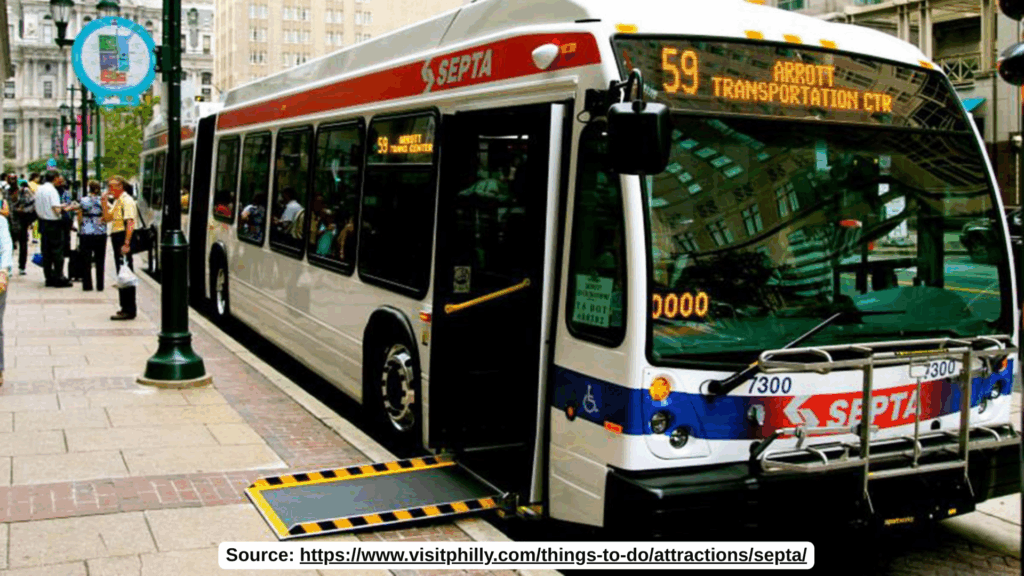
- Lifts and ramps to allow persons using wheelchairs and other mobility devices to safely board and exit
- Devices to secure wheelchairs and other mobility devices such as straps
- Making priority seating clearly visible for persons with disabilities
- Announcing stops, major intersections, and destinations
The facilities used for ticketing and housing passengers preparing to board must also be accessible to persons with disabilities. Accessibility includes key areas of the facility including:
- Pathways to and from a passenger station or depot
- Bus stops and shelters
- Curb ramps
- Doors
- Elevators
- Escalators
- Fare collection areas
- Gates and turnstiles
- Grade crossings
- Parking
- Passenger drop-off areas
- Platform edges
- Rescue-assistance areas
- Restrooms
- Water fountains
- Emergency alarms
Public transit routes and schedules must also be made available in other accessible formats such as Braille or audio for persons with visual or hearing impairments. A person with a disability must be allowed sufficient time to board and exit vehicles. If they require a service animal, those animals must be allowed into vehicles and facilities as well.
Getting there with KenCCID
At KenCCID we recognize that independence of movement is important for individuals with disabilities. We maintain a complete fleet of ADA-compliant vehicles to safely transport our residents to and from medical appointments, as well as to the Philadelphia Zoo! We take pride in curating a safe space for our individuals where their basic human needs are met, as well as their need for adventure and discovery.
We’ve been meeting the needs of individuals with disabilities for 51 years and counting.
We invite you to move with us into another 50 years of tireless and devoted care by making a donation today.